

Cold Heading Bolts: Key Features And Benefits For Industrial Applications
Feb 13, 2025
Leave a message
1. What Are Cold Heading Bolts?
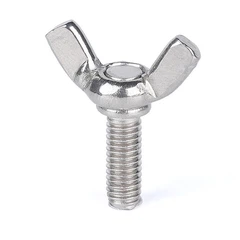
Cold heading bolts are precision fasteners manufactured through a cold-forming process called cold heading. Unlike traditional machining, this method shapes metal wire at room temperature using high-pressure dies, creating bolts with superior strength, dimensional accuracy, and material efficiency.
2. Key Features of Cold Heading Bolts
High Material Utilization
Process: Cold heading minimizes waste by reshaping metal wire without heat, retaining up to 95% of raw material versus machining.
Benefit: Reduces production costs and aligns with sustainable manufacturing goals.
Strength Retention at Room Temperature:
Reason: Since the process occurs at room temperature, the metal retains its inherent strength without the risk of thermal deformation or weakening.
Result: Cold-headed bolts are less prone to brittleness and maintain their mechanical properties across various applications.
Applications: Ideal for high-stress environments like automotive engines or aerospace components.
Consistent Dimensional Accuracy:
Precision Dies: Cold heading ensures uniformity in thread pitch, head shape, and shank diameter.
Benefit: Guarantees secure fits, reducing assembly errors in automated production lines.
Cost-Effective Mass Production
High-Speed Production: Automated cold heading machines produce thousands of bolts per hour, lowering per-unit costs.
3. Common Applications of Cold Heading Bolts
Cold heading bolts are versatile across industries:
Automotive: Engine components, transmission systems, and chassis assemblies.
Aerospace: Critical fasteners for aircraft structures requiring lightweight yet durable solutions.
Construction: High-strength bolts for steel frameworks and infrastructure.
Electronics: Miniature bolts for securing circuit boards or consumer devices.
4. Cold Heading vs. Hot Forging: Why Choose Cold Heading?
Material Savings: Hot forging requires heating metal, leading to material loss and higher energy costs.
Strength: Cold heading enhances grain structure for better mechanical properties.
Surface Quality: No scale formation (common in hot forging), reducing post-processing needs.
Send Inquiry