

Part One: Basics — Meet The Fastener Family
Mar 04, 2026
Leave a message
I. The 5 Most Common Fasteners
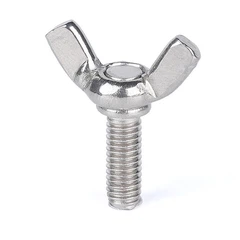
Bolts
- What: Head + threaded shank.
- Use: Goes through holes, tightened with a nut. Removable.
- Example: Engine parts, steel buildings.
Screws
- What: Like bolts, but often sharper threads.
- Use: Screws directly into material. No nut needed.
- Example: Phone case, furniture hinges.
Nuts
- What: Small block with a threaded hole.
- Use: Pairs with a bolt to clamp things together.
Washers
- What: Flat metal ring.
- Use: Goes under the nut/bolt head. Spreads load, prevents damage, or locks.
Rivets
- What: Head + cylindrical body.
- Use: Permanent connection. Must be broken to remove.
- Example: Airplane skin, toolbox.
II. Thread Types: Coarse vs. Fine
- Coarse Thread: Standard. Bigger pitch, strong, tolerates dirt/damage well. Most common.
- Fine Thread: Smaller pitch. Locks better, resists vibration. But easier to damage.
III. Common Material
- Carbon Steel: Mainstream, cost-effective.
- Low carbon: For regular screws.
- Alloy steel: Heat-treated for high-strength bolts (Grade 10.9/12.9).
- Stainless Steel: Naturally rust-resistant. Bright finish. For kitchens, outdoors.
- Brass: Good for electricity, non-sparking, decorative. For electronics.
Send Inquiry